
Tips for a nature- and water-friendly garden
The climate is changing. The weather is becoming less stable. Sometimes it rains heavily, and then it stays dry for a long time. Heavy downpours can sometimes lead to flooding because the sewer system overflows. By reducing the amount of paved surfaces in your garden, you can help prevent flooding. A soft, green surface absorbs rainwater. Plants keep the garden cool and pleasant on hot days. The garden becomes rain-resistant, more comfortable, and attracts more birds, butterflies, and bees.
What's going on?
Much of the rainwater flows directly into the sewer system via downspouts and drains, and then on to the wastewater treatment plant. This isn’t necessary because rainwater isn’t dirty; it’s better to retain it locally as much as possible and allow it to seep into the ground. This reduces the strain on the sewer system during heavy downpours and prevents streets from flooding or water from entering homes. Municipalities and water districts are already working to create additional space for rainwater storage. Everyone can do their part by removing paving stones. This also creates more space for nature.
You make the difference
By greening your garden—by avoiding pavers where they aren’t strictly necessary and installing green roofs, ditches, and ponds—we can retain rainwater. This also helps keep the immediate living environment cooler on hot days. Moreover, green gardens attract a greater variety of plants and animals. Together, we can make a difference. If we all help to make our gardens greener, we’ll create a climate-resilient, healthy community. A green garden doesn’t have to mean more work if you choose perennials!
12 ideas for a water-friendly garden
1. Out with the tile, in with the plant
Using fewer pavers in the garden has many benefits: for example, it allows rainwater to seep into the soil and replenish the groundwater. When rainwater falls on planted soil instead of pavers, it soaks directly into the ground and doesn’t need to be drained away through a drain and into the sewer system. This helps prevent flooding and keeps your garden cooler on hot days.
A green garden is also better for birds, butterflies, bees, and other species.
Tip
Take this step together with your neighbors so you can share the costs and maintenance.
2. Disconnect the downspout from the sewer
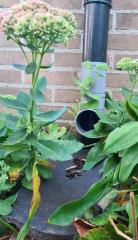
By disconnecting the downspout, the water can be directed into the garden via a gutter or collected in a pond or an infiltration system. Does your garden border a ditch? If so, you can direct the water into the ditch via a trench, allowing the soil to slowly absorb some of it along the way.
"My garden used to be completely paved. Now that it's greener, it not only looks nicer and more inviting, but it's cooler, and I see a lot more birds and insects."
3. Rain barrel
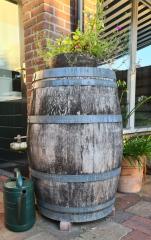
Once you’ve disconnected the downspout, you can collect the rainwater and store it in a rain barrel. That way, you can use it later to water your plants, for example. A rain barrel can be placed on a balcony or in a garden. Be sure to include an overflow, preferably one that drains into the garden via an open gutter.
4. Open gutter
An open gutter can channel rainwater into a ditch, a pond, or a gravel bed. Open gutters offer opportunities in the garden, such as providing a place for children to play. They can also greatly enhance the garden’s appearance.
Tip
Take this step together with your neighbors so you can share the costs and maintenance.
5. Elevation changes in the garden
By creating different levels in the garden, you can ensure that some areas always stay dry, while water can pool in others during a heavy rainstorm. The patio and other parts of the garden where water shouldn’t pool can be built slightly higher. In the slightly lower, unpaved areas of the garden, water can pool briefly after a heavy rainstorm and gradually seep away.
6. Green Fence
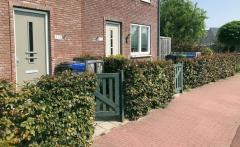
Instead of wooden fences, you can also plant hedges and shrubs to mark the boundaries of your property. Green boundaries, such as hedges and shrubs, provide shelter and food for many species of birds and insects. They also help keep the garden cool and improve water management. Of course, you can also choose edible berry bushes that you can harvest yourself.
7. Planting
Choose perennials that suit your garden. Take into account areas with sunlight, shade, and both moist and dry conditions. See what’s thriving in your neighbors’ gardens—it will likely thrive in yours as well. This way, you’ll have a low-maintenance garden.
Tip
Choose hardy native plants that are suited to the soil. That way, you won’t need to water them very often.
8. Rainwater ponds
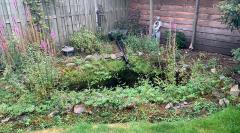
Would you like to use a pond as a rainwater storage area? If so, make sure to create sloping, planted, green banks. This way, the banks will remain attractive even as water levels fluctuate, and the variations in moisture will support a wide variety of flora and fauna.
Tip
Use rainwater for your fountain and pond.
9. Green roofs
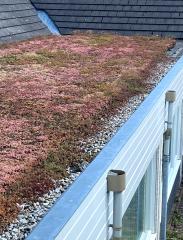
Green roofs have many benefits. They collect rainwater, keep the space below cool, enhance biodiversity in the living environment, trap particulate matter, and look attractive. Green roofs are, in a sense, an extension of your garden—but at a higher elevation. Green roofs provide space for plants, thereby offering nectar and shelter. This creates a beautiful new habitat for birds, butterflies, bees, and other insects.
10. Gravel strips

You can use gravel and crushed stone for driveways, garden paths, and patios. The advantage is that it allows water to drain better than paving stones. The disadvantage is that it requires more maintenance; it needs to be replenished and raked from time to time.
11. Permeable paving
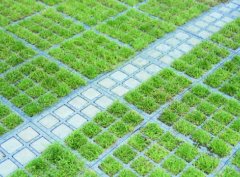
Sometimes paving is necessary, for example for patios, garden paths, and driveways. Permeable paving is therefore a smart option. Rainwater can seep into the ground and replenish the groundwater. This means the rainwater doesn’t have to be drained away through a drain and into the sewer system. This helps prevent flooding on the street and in the garden during heavy rainstorms. You also create more space for natural soil life, thereby increasing biodiversity. And finally, your garden stays cooler.
12. Hiding and feeding spots
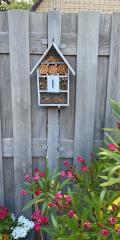
Insect hotels, birdhouses, a few old branches, and a hedge provide shelter for butterflies, insects, birds, hedgehogs, and toads. A bird feeder, flowers, and a compost pile provide food.
For more inspiration, visit HuisjeBoompjeBeter.nl