
Home Burglary: Spotting Suspicious Behavior
Is that really true?
You notice someone in your neighborhood peering into various houses with great interest. That person walks away for a moment, comes back, and walks around the house. It’s a little strange; you get the feeling that something isn’t right.
Even if you’re not sure, call the police at 112. The police would rather respond once too often than not enough. Thanks to your tip, the police can prevent break-ins. Did you know that the police solve 80% of residential break-ins thanks to vigilant neighbors?
How can you spot a burglar?
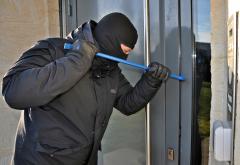
There is no single type of burglar. Burglars may be professional and organized, but they could also be young people from your own neighborhood. It’s best to pay attention to the behavior of people walking around your neighborhood. You know what’s normal in your area. You know when familiar or unfamiliar people are walking by. You know which routes are typically driven or cycled. You know places where it makes sense to stop or where you should keep moving. Unusual behavior could mean that a burglar is scouting the area. If you notice this, call the police immediately at 112.
What is suspicious behavior?
Many burglars prepare (thoroughly) before breaking in. They select a house, assess how easily they can get inside, and look from the outside to see what valuables are lying around waiting to be stolen. They also assess how quickly they can get away and whether neighbors are paying attention. So they walk around scouting the area, retrace the same route multiple times, peer inside homes, ring doorbells, test doors or windows, walk around houses, and sometimes hide tools or a hard object like a rock. Did you know that in some cases, even carrying out preparatory actions is a criminal offense?
What can you do yourself?
Keep an eye out (for yourself or your neighbors) for twigs pressed against the door, pieces of paper wedged in the door, or a flyer that’s been sticking out of the mailbox for days. These are clues that burglars might leave behind to determine whether someone is home or not.
If you see a suspicious person, approach them. Ask if they’re looking for directions or need help. If the person is indeed preparing to commit a burglary, they may change their mind now that they feel they’ve been caught.
If you don’t feel comfortable doing this, call 112. Tell them what and who you see, and your report may help the police prevent a burglary. In some cases, even taking preparatory steps is a criminal offense. So don’t hesitate—call the police.
What does the police want to know?
The police are looking for the person or people you saw. That is why it is important to pay attention to their appearance. Write down what you saw:
- Height (taller or shorter than you)
- Body type (overweight or underweight)
- Age (estimated)
- Hair color
- Hairstyle
- Clothing (color and type)
- Bag or backpack (color and type)
- Distinctive features such as a tattoo or scar
- What kind of vehicle? (make, model, color, and license plate number)
The police would rather show up once for no reason than not show up when they're needed!
Call 112—why not?
After a break-in, it often turns out that neighbors saw something suspicious. And they didn’t call the police because they thought it wasn’t a big deal. You don’t need to worry that the police will show up immediately with sirens blaring and lights flashing. The person who answers your 911 call will first ask you what’s going on. He or she will then assess whether the situation warrants sending officers.