A great example from Alphen climate adaptation
The climate is changing. We’re noticing this more and more. Think of the torrential downpours that bring heavy rainfall in a short period of time and the flooding of rivers. But also think of prolonged heat waves or droughts. We’re taking steps to help our municipality adapt to the new climate as effectively as possible. We call this climate adaptation. You’ll be hearing a lot more about it. Starting now, you’ll also find articles on this topic in this newsletter.
Flooding in Alphen: A Collaborative Solution
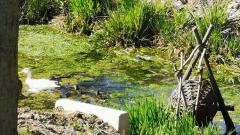
In Alphen , heavy rainfall Alphen water to pool in certain areas. That is why we are working to ensure Alphen water in Alphen can be better collected and drained. For example, last year we expanded the pond on Middendam to accommodate rainwater. Local residents Marcel and Rachael Broeders from Alphen us. They were eager to help by allowing water to be drained onto or adjacent to their property. An unusual request and a great opportunity to give water more space in Alphen. That made us very happy. Read the interview with Marcel and Rachael Broeders-Reeves below.
What was your idea?
Marcel Broeders: “The municipality and the Water Board proposed creating more space for water. We think that’s a great idea, given current climate trends. Plus, it will create more space for flora and fauna around the water. That’s why we jumped on board and reached out to them.”
Why did you want to participate in the project?
“We thought the plan to widen the ditch was a good idea for the area where we live. Good drainage makes everyone happy! We also personally think it’s great that there’s more space for all the animals around us. That’s why we thought this was a good initiative to get involved in,” says Rachael.
In your opinion, what are the advantages of your plan?
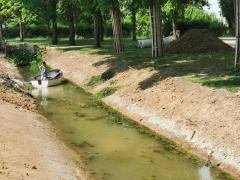
“We now have more open space, more room, and more birds around us. It’s wonderful that our children get to play by and on the water every day whenever possible. By the way, the pond and the ditch are a unique playground for many young people in the neighborhood,” says Marcel.
How did the collaboration with the municipality go?
Marcel: “We worked well together. We consulted with each other a lot. And as a result, there were quite a few changes to the plans. Together, we looked at what was actually possible. Sometimes we ran into issues along the way that couldn’t be resolved. In those cases, after consulting with Martijn Timmermans (from the city), the plan was adjusted slightly.”
What do you think of the result?
“The result turned out really well. The municipality has finished its work, and everything is starting to grow back nicely,” says Rachael. Marcel chimes in and says, “We would, however, like to know how the Water Board plans to maintain the ditches and, if necessary, finish them off. Communication has been pretty quiet since the project was completed.”
How do others react to it?
“The neighbors really like it. We see lots of walkers and cyclists passing by here every day. We’ve noticed that people still need to get used to the fact that they can no longer drive through the street. That’s why the city recently put up a traffic sign on the street—people were driving over the entire lawn in front of our house.”
What advice would you like to give your fellow villagers?
“What worked really well for us was having a single point of contact at the municipality. This provides clarity for both parties and allows you to act quickly if anything comes up. Also, clearly agree on the start and end dates of the project. With just a few brief meetings, you can actually get a lot done.”