Column by Evert Jan Slootweg: About transformer stations
Demand for electricity is rising, while the supply of electricity is also increasing, for example through solar panels. As a result, grid operator Liander needs to expand the grid by installing, among other things, 50,000 additional transformer stations, 100 of which will be located in our municipality. This may cause some inconvenience, but it is necessary to prevent power outages.
More and more people are demanding more electricity. For example, because they no longer drive gasoline-powered cars but electric cars instead. Or they have a heat pump and use little to no gas to heat their homes. As a result, the demand for electricity has increased dramatically. We expect it to increase even further.
But it’s not just that people are demanding more electricity; they are also increasingly generating it themselves. For example, because they have solar panels. And when I say “people” or “residents,” I also mean businesses and organizations. We, as a municipality, are also demanding more electricity, and we are also generating it.
This presents Liander, our grid operator, with enormous challenges. The grid operator installs cables and lines and manages the energy grid. They ensure that energy suppliers can deliver power through their cables and lines. This requires, among other things, transformer stations.
As network traffic continues to increase, more transformer stations are needed. It’s actually just like on the road—it’s getting busier.
In some parts of the Netherlands, the power grid is so overloaded that there isn’t enough capacity for everyone. Anyone who needs additional power or applies for a new (higher-capacity) connection may have to wait a long time.
Over the next few years, 50,000 new transformer stations will be installed in the Netherlands. This means that one in three streets will be dug up. In our municipality, this will likely involve 100 additional transformer stations. As a municipality, we have decided to retain ownership of the land. We are granting the grid operator a right of superficies.
Not everyone will be happy about the installation of more transformer stations. And the disruption caused by dug-up streets is also annoying. But if this isn’t done, there’s a high risk of a power grid failure, and the likelihood of blackouts will increase.
The energy transition will only succeed if we are willing to work together, be flexible, and listen to one another.
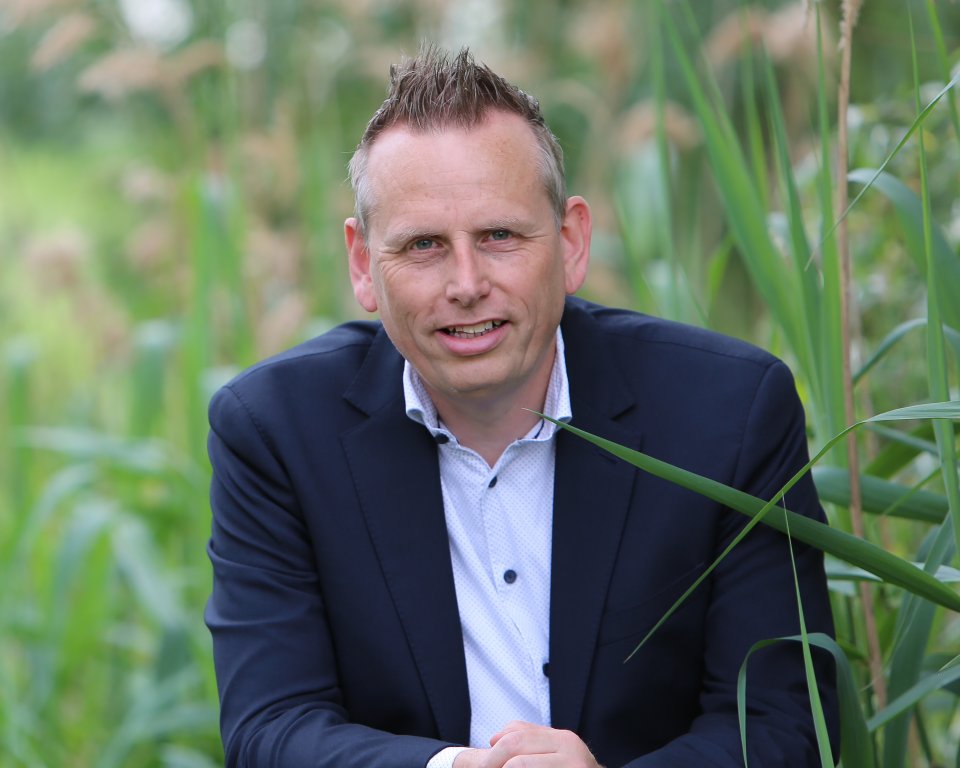
Alderman Jan Slootweg